
Peyronie’s Disease (PD) is more than just a physical curve; it’s a challenge to your confidence and intimacy. If you’ve been searching for non-surgical solutions, you’ve likely come across Shockwave Therapy for PD.
As a breakthrough in regenerative urology, this technology is changing how we treat plaque and curvature. However, new treatments often bring many questions. Below, we break down the six most common concerns to help you decide if this path is right for your recovery.
1. What exactly is shockwave therapy for PD and how does it work?
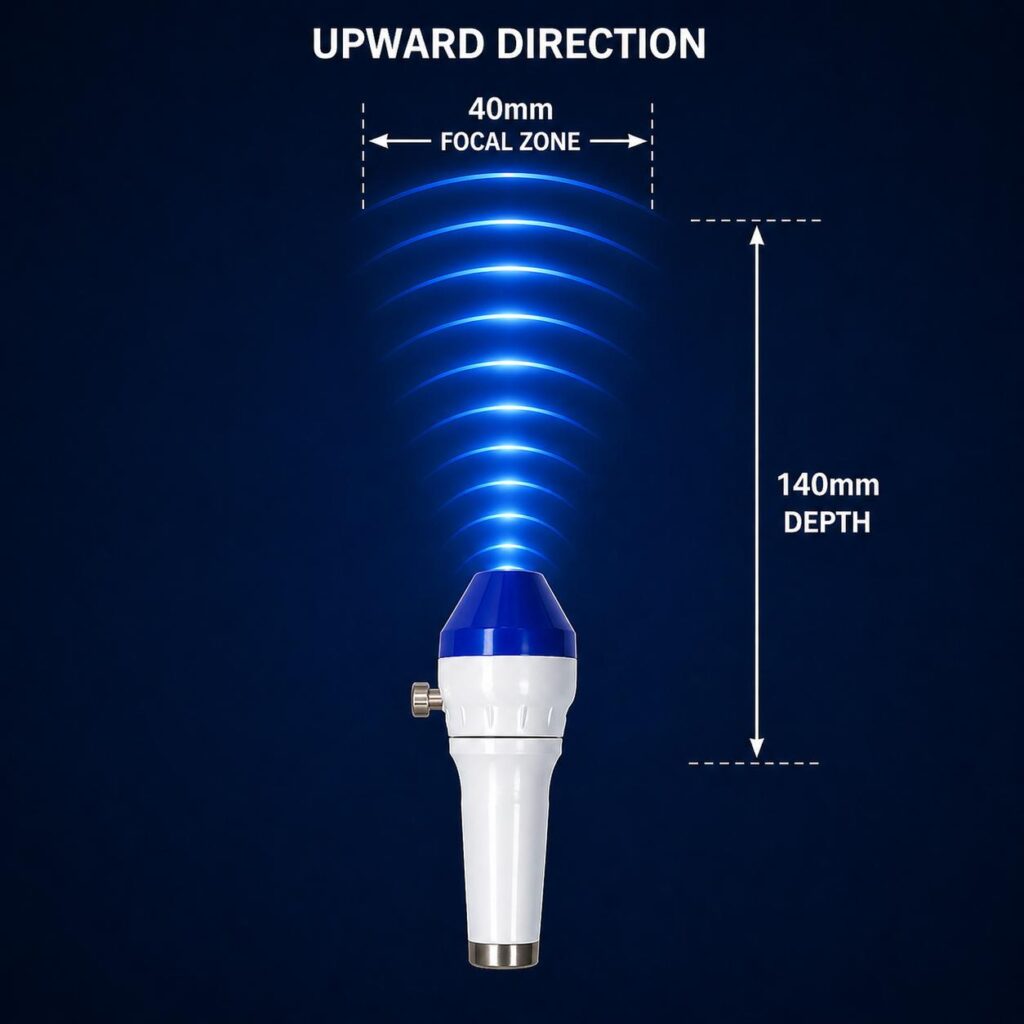
At its core, Shockwave Therapy for PD is a specialized form of Low-Intensity Extracorporeal Shockwave Therapy (Li-ESWT). It doesn’t involve “shocks” in the electrical sense. Instead, the device emits high-frequency sound waves that travel through the skin to reach the internal plaque.
These acoustic pulses create a “cellular wake-up call” that helps to:
- Soften Plaque: Break down the dense, fibrous tissue that causes the bend.
- Boost Circulation: Trigger neovascularization, or the growth of new blood vessels.
- Reduce Pain: Calm the inflammation often found in the acute stage of the disease.
2. Is the procedure painful?
This is the primary concern for most men. The good news? The treatment is non-invasive and generally very well-tolerated.
Most patients describe the sensation as a light “tapping” or a rhythmic “tingle.” Because it is non-surgical, there are no needles, anesthesia, or incisions. You remain comfortable throughout the 20-minute session and can resume daily activities immediately.
3. How many sessions of shockwave therapy for PD are required to see results?
Biology isn’t instant. While some men report a reduction in pain after just one or two visits, the physical remodeling of the plaque takes time.
For maximum efficacy, a standard shockwave therapy for PD protocol typically involves:
- Initial Phase: 6 to 12 sessions.
- Frequency: 1 or 2 treatments per week.
- Evaluation: A follow-up assessment after the initial cycle to measure curvature reduction and improved firmness.
Consistency is key. The benefits of shockwave therapy for PD are cumulative, meaning each session builds on the progress of the last.
4. Can shockwave therapy for PD actually straighten the curvature?
It is important to have realistic expectations. shockwave therapy for PD is highly effective at stabilizing the disease and preventing the curve from getting worse.
In terms of “straightening,” shockwave therapy for PD works by softening the plaque, which makes the tissue more pliable. When used in combination with other therapies—like penile traction—men often see a noticeable reduction in the degree of curvature. Even a 15–20% improvement can be the difference between painful intercourse and a functional, satisfying sex life.
Clinical Studies:
5. Are there any side effects to shockwave therapy for PD?
One of the reasons urologists are pivoting toward shockwave therapy for PD is its incredible safety profile. Unlike surgery, which carries risks of permanent shortening or loss of sensation, shockwave therapy for PD has virtually no major side effects.
Some men may experience:
- Mild redness or skin sensitivity.
- Minor localized swelling.
- A temporary “aching” sensation (rare).
These symptoms typically resolve within 24 hours. Because it’s drug-free, you don’t have to worry about the systemic side effects associated with pills or injections.
6. How do I start the shockwave therapy for PD process discreetly?
We understand that for many men, the hardest part is walking through the door. This is why we prioritize a discreet booking environment.
When you inquire about shockwave therapy for PD at ED Free Clinic, your privacy is guarded by:
- Private Consultation Rooms: You won’t be sitting in a crowded lobby explaining your symptoms.
- Professional Anonymity: Our staff is trained in the highest levels of medical discretion.
Conclusion: Why Shockwave Therapy for PD is the Future
The days of “waiting and seeing” while Peyronie’s Disease worsens are over. Shockwave therapy for PD offers a proactive, regenerative approach that addresses the root cause of the plaque without the trauma of surgery.
By asking the right questions and seeking out specialized care, you are taking control of your health and your future performance.