
Noticing a bent erection can be a startling experience for any man. Whether the curve appeared suddenly or developed over time, the first thing you need to know is that you are not alone. This condition, medically known as Peyronie’s Disease (PD), is far more common than most realize, affecting up to 10% of the male population.
Despite its prevalence, many men choose to suffer in silence. However, understanding the physical and emotional mechanics of a bent erection is the first step toward reclaiming your confidence and your relationship.
The Emotional Toll of a Bent Erection
A bent erection is rarely just a physical issue. Because the condition is often accompanied by Erectile Dysfunction (ED) or physical discomfort, it can create a ripple effect in a man’s life:
- Relationship Strain: When intimacy becomes difficult or painful, it can lead to tension between partners.
- Withdrawal: Many men instinctively withdraw from sexual activity to avoid the frustration of a bent erection, which can be misinterpreted by a partner as a loss of interest.
- Mental Health: It is common for men to experience heightened levels of anxiety, depression, or a significant blow to their self-esteem.
Breaking the Silence: Talking to Your Partner
If you are struggling with a bent erection, communication is your strongest tool. While it may feel uncomfortable at first, talking to your partner about the symptoms of Peyronie’s Disease can build a bridge of understanding.
Sharing the reality of your condition provides the emotional support needed to move past the “shame” phase and into the “treatment” phase. Remember, your partner is likely concerned about your well-being, and clarity can replace the guesswork that often leads to conflict.
When to See a Doctor for a Bent Erection
It is extremely important to discuss your symptoms with a physician as soon as you notice a persistent bent erection. A medical professional can help determine the stage of the disease, whether it is the acute (inflammatory) phase or the chronic (stable) phase.
When you speak with your doctor, be sure to mention:
- The degree of the curve and any pain involved.
- Any difficulties with intercourse or maintaining an erection.
- The impact the bent erection is having on your mental health, including any feelings of depression or anxiety.
Finding Community and Support
Whether or not you are ready to discuss your bent erection with friends or family, the internet offers a wealth of anonymous support. Connecting with online support groups allows you to talk to people who truly understand the physical and psychological nuances of PD.
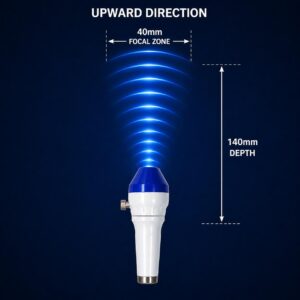
Sharing experiences with others can provide perspective on the various treatment options available today, such as Low-Intensity Extracorporeal Shockwave Therapy (Li-ESWT), which offers a non-invasive way to address the plaque causing the curve.
Take the First Step Toward Recovery
You don’t have to live with the discomfort or the emotional weight of a bent erection any longer. At ED Free Clinics, we specialize in non-invasive, drug-free treatments like the Medispec ED1000 to help restore your sexual health and confidence.
Ready to reclaim your life?
Our team provides a discreet, professional environment across our Ontario locations in Hamilton, Mississauga, Whitby, Barrie, and Waterloo. Let’s work together to find a solution that works for you. Schedule your FREE consultation here.