
Sexual health is a vital component of overall well-being, yet many men struggle in silence when faced with climax-related difficulties. If you or a partner are navigating the complexities, it is important to know that you are not alone and that effective help is available.
In this post, we break down the essentials of delayed ejaculation to help you understand what it is, why it happens, and how to address it.
What Exactly Is Delayed Ejaculation?
At its core, delayed ejaculation refers to a condition where it takes an unusually long time—or is entirely impossible—for a man to reach orgasm and ejaculate during sexual activity, even when fully aroused.
It is a common misconception that delayed ejaculation is caused by a lack of arousal. In reality, men experiencing this challenge are typically fully stimulated and interested in sexual activity. The issue lies within the ejaculatory mechanism itself, not in the desire or psychological arousal phase.
Is Delayed Ejaculation Just a Part of Aging?
It is a fact that the prevalence of timing issues tends to increase as men age. Several factors contribute to this, including:
- Declining testosterone levels: Natural hormonal shifts can impact sexual function.
- Reduced nerve sensitivity: Physical changes over time may affect physical responses.
- Accumulated health conditions: Chronic issues often associated with aging can contribute to the development of delayed ejaculation.
However, it is vital to emphasize this: it is not an inevitable part of aging. Just because it happens more often in older men does not mean it should be accepted as a “normal” way of life. If delayed ejaculation is impacting your quality of life, it is worth discussing with a healthcare professional.
Can Delayed Ejaculation Resolve on Its Own?
In some instances, the issue may resolve without formal medical intervention, particularly if it is tied to a temporary, identifiable stressor in your life. Once that stressor is removed, sexual function often returns to normal.
However, if you have been experiencing delayed ejaculation for six months or more, it is considered persistent. In these cases, it is highly recommended to seek an evaluation from a doctor or a sexual health specialist. They can help determine if the delayed ejaculation is caused by underlying medical issues, medications, or psychological factors.
A Modern Approach: Shockwave Therapy for Delayed Ejaculation
As medical technology evolves, new non-invasive treatments are emerging to help men regain sexual function. One such innovation is Low-Intensity Extracorporeal Shockwave Therapy (Li-ESWT). While originally popularized for treating erectile dysfunction, it is increasingly being explored as a physical intervention for delayed ejaculation.
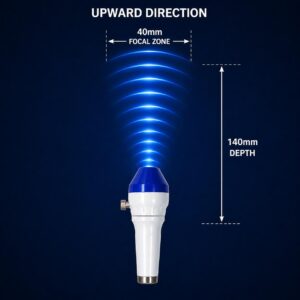
How It Works Shockwave therapy involves applying gentle acoustic waves to the penile tissue. This process, known as angiogenesis, encourages the formation of new blood vessels and helps repair aged or damaged nerves. By improving blood flow and potentially enhancing nerve sensitivity, shockwave therapy aims to address the physiological barriers that can make reaching climax difficult.
Why Consider Shockwave Therapy?
Non-Invasive and Drug-Free: Unlike certain medications that may have systemic side effects, shockwave therapy is a localized physical treatment.
Targets Physical Sensitivity: For men whose delayed ejaculation is linked to reduced nerve sensitivity or poor vascular health, this therapy addresses the “mechanical” side of the issue.
Quick and Painless: Most sessions are relatively short, require no downtime, and are performed in a clinical setting without the need for anesthesia.
While shockwave therapy is showing promise, it is most effective when part of a holistic treatment plan. A specialist can help determine if your specific case is likely to benefit from this technology or if a combination of physical and psychological strategies is the better path forward.
To learn more about the clinical research and evidence supporting shockwave therapy, you can explore detailed studies here.
The Role of Partnership in Managing Delayed Ejaculation
You do not have to face this condition alone. A supportive, non-judgmental partner can make a world of difference. Open communication is one of the most powerful tools available for managing delayed ejaculation.
When partners work together to create a low-pressure, supportive sexual environment, the psychological burden often associated with climax difficulties decreases significantly. In many cases, relationship-focused interventions are among the most effective paths toward improving sexual outcomes for those living with delayed ejaculation.
Take the First Step
If you are struggling with delayed ejaculation, remember that it is a treatable condition. Professional medical guidance, combined with open communication with your partner, can help you find the right path forward.