
Retarded ejaculation is one of the most underdiagnosed and undertreated male sexual health conditions today. Despite being relatively common, many men suffer in silence, unsure of what the condition is, what causes it, or how to access effective retarded ejaculation treatment. This guide is designed to educate men and their partners about everything they need to know: the definition, types, causes, symptoms, and the most effective options currently available for those seeking retarded ejaculation treatment.
What Is Retarded Ejaculation?
Retarded ejaculation is a sexual dysfunction in which a man experiences persistent difficulty reaching orgasm and ejaculating, even with adequate sexual stimulation. Clinically, it is often defined as requiring 25–35 minutes or more of stimulation before ejaculation can occur, provided the condition causes significant personal distress.
Because it sits on its own end of the ejaculatory spectrum, it requires a unique approach to diagnosis and retarded ejaculation treatment.
Types of Retarded Ejaculation
Clinicians classify the condition based on when it started and the circumstances in which it occurs:
- Lifelong (Primary): Has been present since the first sexual encounters.
- Acquired (Secondary): Develops after a period of normal function; often triggered by medical events, medications, or stress.
- Situational: Occurs specifically during partnered sex, but not during masturbation. This is strongly associated with psychological factors.
- Generalized: Occurs in all sexual situations. This is more likely to have a physiological root cause.
Common Causes
Retarded ejaculation is multifactorial, and identifying the root cause is the first step toward effective retarded ejaculation treatment.
Physical Causes:
- Medications: SSRIs, antipsychotics, and certain blood pressure medications are the most common culprits.
- Hormonal Imbalances: Low testosterone or thyroid dysfunction.
- Neurological Conditions: Conditions like diabetes (neuropathy), multiple sclerosis, or spinal cord injuries.
- Pelvic Surgery: Post-surgical complications from prostate or bowel surgery.
- Lifestyle Factors: Chronic alcohol use can dull sensory signals.
Psychological Causes:
- Performance anxiety, depression, relationship difficulties, sexual trauma, and specific pornography or masturbation patterns.
How Is It Diagnosed?
There is no single “magic” test. Diagnosis involves a clinical evaluation, including a review of your sexual and medical history, a physical exam, blood tests (to check hormones), and a review of any medications you are currently taking. Being open with your doctor is the most important part of finding the right retarded ejaculation treatment for your specific needs.
Treatment Options
Retarded ejaculation treatment is highly effective when the underlying cause is identified.
Low-Intensity Shockwave Therapy: A Breakthrough Approach
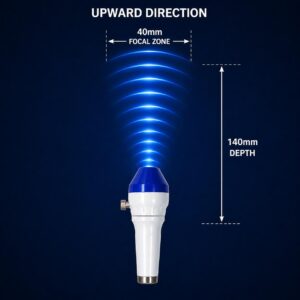
For many men, Shockwave Therapy is becoming a preferred, state-of-the-art approach for retarded ejaculation treatment. This non-invasive procedure uses low-intensity sound waves to stimulate blood flow and encourage the regeneration of nerves and tissue within the pelvic region.
Unlike systemic medications, Shockwave Therapy targets the underlying physical mechanics at the source. By improving the quality of the tissue and enhancing nerve sensitivity, it can help restore a more natural, responsive ejaculatory reflex. For those who haven’t seen results with talk therapy or medication, Shockwave Therapy often represents the most promising physical intervention available today.
Why the Right Approach Matters
Choosing the right path for retarded ejaculation treatment is a journey, not a sprint. Whether you begin by investigating Shockwave Therapy for physical rejuvenation or start with lifestyle and therapeutic changes, the goal remains the same: reclaiming your sexual confidence and intimacy.