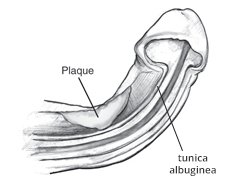
For many men, the development of a noticeable bend or indentation in the penis during an erection can be a source of significant physical discomfort and psychological distress. This condition, medically known as Peyronie’s Disease (PD), is characterized by the formation of fibrous scar tissue, or plaque, within the tunica albuginea of the penis. When this scar tissue prevents the penis from expanding uniformly during tumescence, it results in what is commonly referred to as a peyronies curve.
While a mild curve may be normal for many men, a true peyronies curve is often progressive and associated with pain, loss of length, and erectile dysfunction (ED). Fortunately, modern urology has moved beyond “watchful waiting” or invasive surgery, introducing advanced regenerative technologies like the Medispec ED1000 to address the condition at its source.
What is Peyronies Curve?
Peyronies curve develops from Peyronies disease, where plaque forms under the skin of the penis, leading to bending during erections. Peyronies disease occurs when repetitive micro-trauma (often from vigorous sexual activity) triggers an abnormal wound-healing response in genetically susceptible individuals.
This leads to the deposition of inelastic collagen plaques. Because these plaques cannot stretch, the affected side of the penis remains tethered while the healthy side expands, creating the signature peyronies curve. Over time, these plaques can calcify, making the deformity permanent and potentially leading to a total inability to perform penetrative intercourse.
The condition often progresses in two phases: an acute phase with pain and changing curvature, followed by a chronic phase where it stabilizes but may cause erectile dysfunction.
Men notice the Peyronies curve as a noticeable bend upward, downward, or sideways, sometimes up to 30 degrees or more. This can shorten the penis and make intercourse painful or impossible.
Symptoms and Impact of Peyronies Curve
Penile pain stands out as an early hallmark of Peyronies curve, often sharp or aching during erections and sometimes at rest in the acute phase. Hard lumps, known as palpable plaques, form under the penile skin, typically on the top or sides, feeling like firm cords or bands that signal scar tissue buildup.
Erectile dysfunction accompanies the Peyronies curve in up to 50% of cases, with instability or shortening of the erect penis making penetration challenging. Other signs include hourglass narrowing, indentations, or “hinging” where the penis buckles under pressure.
Psychological and Relational Impact
The Peyronies curve triggers significant emotional distress, with surveys showing 48% of men reporting anxiety and 20% depression due to body image concerns. Fear of ridicule or failure heightens embarrassment, leading to avoidance of intimacy.
Relationship strain arises as partners may misinterpret withdrawal as disinterest, fostering communication breakdowns. Quality of life scores drop markedly, with impacts on work and social functioning.
Causes of Peyronies Curve
The exact cause remains unclear, but it involves repeated minor injuries to the penis during sex or physical activity, leading to scar tissue formation. Genetic factors, connective tissue disorders, or diabetes may contribute to developing the Peyronies curve.
Risk factors include age over 40, family history, and conditions like Dupuytren’s contracture. The plaque causing it disrupts normal elasticity.
Traditional Treatments for Peyronies Curve
Options for managing Peyronies curve range from watchful waiting to oral medications, injections like collagenase clostridium histolyticum, traction devices, and surgery in advanced cases. Injections break down plaque but carry risks like penile fracture.
Surgery corrects severe Peyronies curve but involves recovery time and potential shortening. Non-surgical methods focus on reducing plaque and improving function.
How Shockwave Therapy Helps Peyronies Curve
Shockwave therapy, or low-intensity extracorporeal shockwave therapy (Li-ESWT) delivers acoustic waves to break down fibrous plaque, promote blood flow, and encourage tissue regeneration. Studies show it reduces curvature by 15-60 degrees in some patients and alleviates pain.
This non-invasive treatment improves penile elasticity and erectile function without drugs or surgery. Patients often report better sexual satisfaction post-therapy.
Why the Medispec ED1000 is a Game-Changer
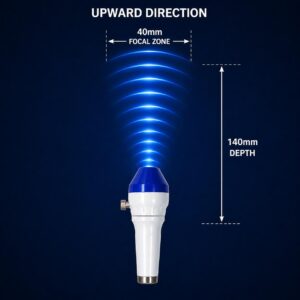
The Medispec ED1000 stands out in shockwave therapy for Peyronies curve due to its electro-hydraulic true shockwave generation, producing powerful high (P+) and low (P-) pressure pulses for optimal tissue repair (see https://edfree.ca/medispec-ed1000-treatment). Unlike radial wave devices, the ED1000 penetrates deeply to address plaque causing Peyronies curve.
The Medispec ED1000 utilizes Low-Intensity Extracorporeal Shockwave Therapy (Li-ESWT) to provide a non-invasive alternative. Unlike radial wave devices, the Medispec ED1000 uses electro-hydraulic technology to deliver focused acoustic waves directly into the fibrotic plaque. This triggers two critical biological responses:
Plaque Remodeling: The mechanical energy of the shockwaves helps disrupt the dense collagen cross-links, softening the plaque and reducing the mechanical tension that causes the peyronies curve.
Angiogenesis: The therapy stimulates the release of growth factors like VEGF (vascular endothelial growth factor), which encourages the formation of new blood vessels (neovascularization). This improves blood flow to the area, aiding in the natural repair of damaged tissue.
Clinical use of the Medispec ED1000 has shown high patient satisfaction over two years, with improvements in curvature and function. It kick-starts healing by creating micro-trauma that triggers neovascularization.
Medispec Study on Shockwave Therapy for Peyronies Curve
Medispec’s research supports the ED1000’s role in treating Peyronies curve. In protocols using Medispec devices like the ED1000, patients experienced plaque size reduction, curvature improvement, and pain relief, consistent with broader Li-ESWT trials.
A double-blind placebo-controlled study referenced in Medispec’s clinical validations demonstrated significant long-term efficacy for penile conditions including Peyronies curve, with no adverse events. Patients regained responsiveness to PDE5 inhibitors.
Supporting data from Li-ESWT trials, aligned with Medispec technology, report 33% of patients achieving over 15 degrees curvature reduction.
Evidence from Clinical Research: The Shimpi and Jain Study
The efficacy of the Medispec platform is supported by clinical research specifically utilizing the device for PD management. A prominent study by Shimpi and Jain, titled “Role of extracorporeal shock wave therapy in management of Peyronie’s disease: A preliminary report,” investigated the impact of the Medispec ED1000 on a group of 30 men with stable-phase PD.
Study Protocol and Parameters
The patients, aged 25 to 65, underwent a standardized protocol:
Treatment Course: 9 weekly sessions.
Dosage: 1,500 total shockwaves per session (900 directed at the plaque, 300 proximal, and 300 distal).
Energy Density: 0.09 mJ/mm² at a frequency of 120 pulses per minute.
Clinical Outcomes
The results were highly encouraging for those seeking to correct a peyronies curve without surgery:
Pain Reduction: At the start of the study, 93% of patients reported pain during erection. Following the Medispec ED1000 treatment, there was a statistically significant reduction in pain scores (VAS), with many reporting complete resolution.
Plaque Size: All 30 patients saw a measurable reduction in the length and breadth of their penile plaques.
Curvature Improvement: In patients with significant deformity, the therapy helped stabilize and, in many cases, measurably reduce the degree of the peyronies curve.
Improved Sexual Function: Patients reported an increase in their International Index of Erectile Function (IIEF) scores, attributed to improved cavernosal artery flow and reduced pain.
The study concluded that the Medispec ED1000 is a safe, outpatient-based “embarking option” that should be considered before patients resort to invasive surgical procedures.
Benefits and Procedure of Medispec ED1000 Therapy
Treatment with Medispec ED1000 for Peyronies curve involves 6-12 sessions, each lasting 15-20 minutes, applied directly to the plaque. No anesthesia is needed, and patients resume activities immediately.
Benefits include reduced Peyronies curve, enhanced blood flow, and improved erections. It’s safe for vasculogenic cases and outperforms other devices in power delivery.
When to Seek Treatment for Peyronies Curve
Consult a specialist if you notice Peyronies curve or plaque. Early shockwave therapy with Medispec ED1000 can halt progression.